Friction Is the Feature: Why the Pause System Should Be More Difficult — and How to Improve It
I’m happy to see the recent pace of updates. It makes me optimistic that this software will continue adapting well to changing times and technologies.
However, I strongly believe one recent change should be rolled back: the new Pause window behavior.
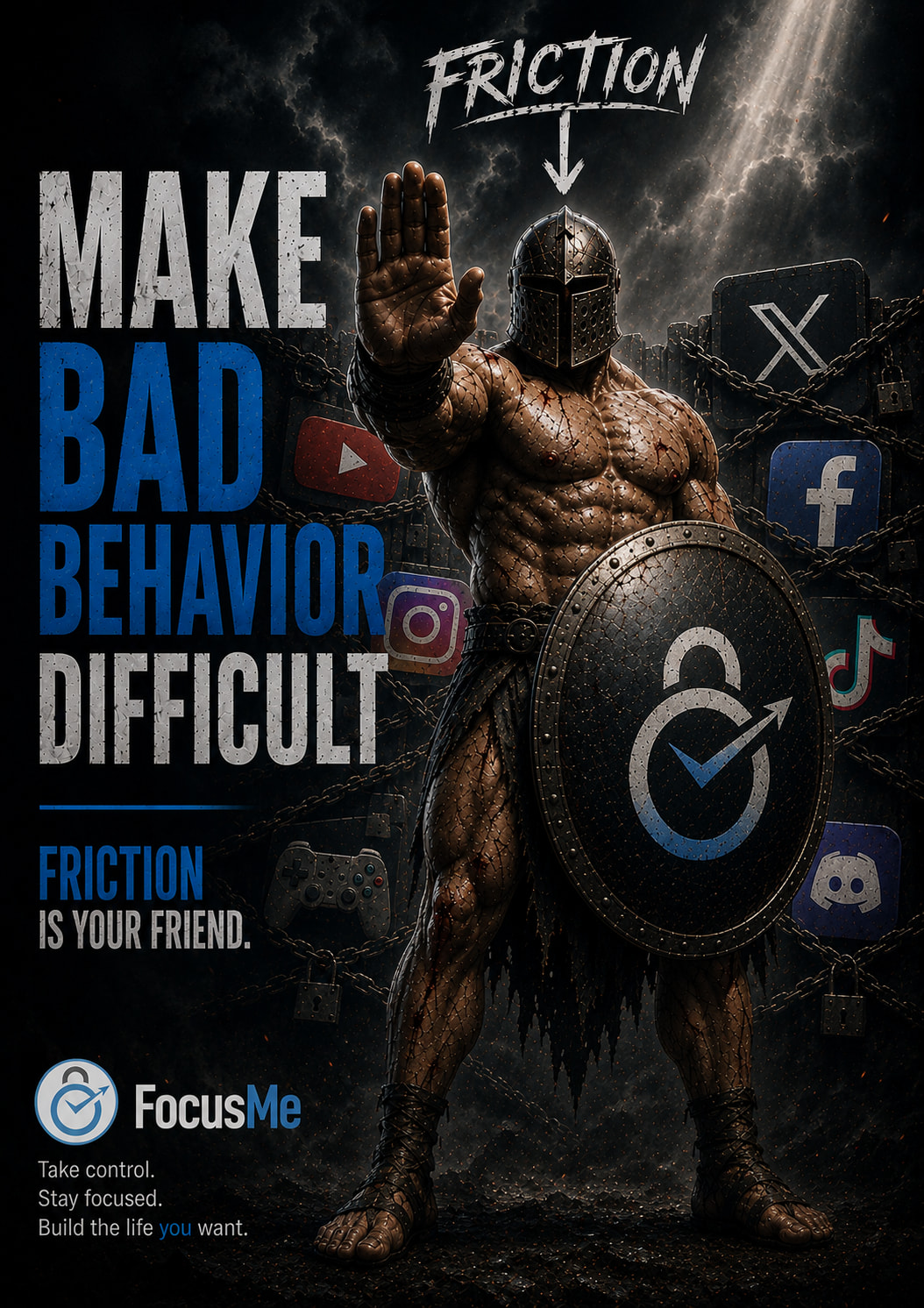
I think the main purpose of this software is to make bad behavior difficult.
Previously, pausing a plan required several deliberate steps:
Right click → Pause → Enter random password → If successful → Enter pause duration
(with the maximum allowed time automatically filled in)
Now the process is:
Right click → Pause → Enter random password
(the maximum allowed pause time is already filled in below) → If successful, the plan is automatically paused for the maximum allowed duration.
If I want a shorter pause, I now have to intentionally move the cursor and click and modify the value beforehand. Even worse, if the password entry fails, the pause duration resets back to the maximum allowed value again.
I believe this change reduces an important kind of friction.
Pausing a plan should be inconvenient.
Pausing for the maximum allowed time should be more inconvenient than taking a short pause.
Right now, the opposite is true.
Over more than ten years, I’ve experimented with many different kinds of blocking systems and productivity software, including stricter “full lock” approaches. But the Pause system in FocusMe has been the one that fits me best.
In my case, completely locking everything down often backfires for me. I also work as a freelancer, so my schedule changes constantly, which makes rigid one-size-fits-all plans unrealistic.
The current Pause system is powerful precisely because it creates friction without removing flexibility entirely: it is annoying to bypass, but not impossible, and once the allowed time expires, the protections automatically return.
As far as I know, FocusMe is the only software that currently implements this balance so well.
(So I also strongly wish that I can use the Pause feature in the mobile version as well. Please make the Pause option available in the mobile version too.)
Starting or enabling a plan should be easy, intuitive, and fast — ideally possible in a single click.
But pausing, disabling, or modifying protections should be intentionally cumbersome.
Those actions should require multiple deliberate steps, take time, and force the user to slow down and think.
I’m constantly surprised by how powerful even tiny amounts of friction can be when shaping behavior.
Even simple additions could have a surprisingly strong effect:
• separating the time-entry step
• adding a few intentional confirmation screens (the kind we often see in other serious tools)
• requiring more deliberate interaction before disabling protections
For example:
Right click → Pause →
“Are you sure you want to pause this plan?” → Yes →
“Is this a planned and necessary action, rather than an impulsive one? Take a deep breath and think again.” → Yes →
*"Your maximum allowed pause time is **." → Next →
Enter pause duration
(starting from the minimum value, not the maximum) →
Enter random password
If the user presses “No” or makes a mistake at any point, the entire process could close and require starting over from the beginning.
That kind of friction is not bad UX in this context — it is the feature itself.
I also wonder why the random password system excludes many special characters such as ~ ’ " : ; , /. [ ] ?
It could be useful to allow users to optionally include those as well for stronger intentional barriers.
Last but not least, the current random password system automatically proceeds as soon as the password is entered correctly.
I think it would be better if users had to manually confirm it after entering the password — just like the input method used in the mobile version of FocusMe (Please, please make the Pause option available in the mobile version too, please).
And if the password is entered incorrectly, the entire process should reset.
Perhaps the goal is to keep the interface clean and minimal, which is understandable. But that philosophy should not apply equally to pausing, disabling, or bypassing protections.
The more inconvenient those actions are, the more effective this software becomes as a shield against harmful habits.
So, I hope you agree that the core purpose of this software is to make bad behavior difficult, and increasingly bad behavior increasingly difficult.
Thank you for your work and continued development of this software.
I hope FocusMe continues to become a stronger shield of discipline that helps protect people from increasingly powerful distractions and temptations in the future.
